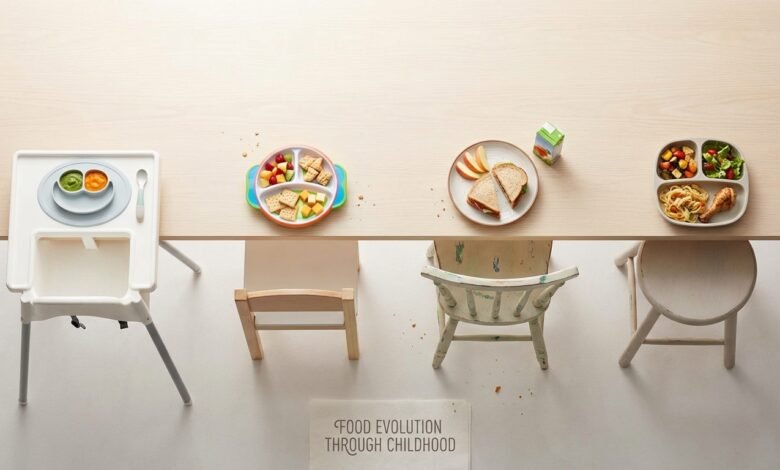
Seletividade Alimentar e Fases do Desenvolvimento Infantil: Um Guia Prático e Humano
Introdução
Seletividade alimentar é um tema que deixa muitos pais coçando a cabeça — e com razão. Quando o seu filho recusa um alimento que ontem era o favorito, é fácil sentir-se inseguro, questionando se é só uma fase ou algo a monitorar com atenção. Eu já vi famílias entrarem em pânico por causa de brócolis, e outras que aprenderam a rir e a adaptar-se; a diferença quase sempre está na informação e na atitude. Aqui eu quero oferecer um pano de fundo claro, com dicas práticas e um tom amigo, para que você possa lidar com esses períodos com menos ansiedade.

Também vou incluir formas práticas de registrar comportamentos, avaliar progressos e usar ferramentas simples — pense em um “registrar avaliar para iniciantes” que realmente funcione na rotina corrida de casa. E sim, vou mencionar recursos em português que muitos pais procuram, como “guia seletividade alimentar” e “seletividade alimentar tutorial”, mas tudo explicado em inglês para manter a consistência.
Desenvolvimento Principal
Seletividade alimentar costuma aparecer em fases bem definidas do desenvolvimento: a introdução alimentar no primeiro ano, a fase das preferências rígidas entre 2 e 4 anos, e às vezes um reaparecimento na pré-adolescência por razões sociais. Cada fase tem causas diferentes — sensoriais, comportamentais ou apenas preferências naturais. Isso significa que a estratégia que funciona para um bebê que só aceita purês não será a mesma para uma criança de três anos que só come alimentos com a mesma textura.
And, to be honest, labels like “picky eater” often oversimplify things. Some children have sensory sensitivities (texture, smell), others develop habits around control and autonomy, and a small group can have medical issues like reflux or oral-motor difficulties. Because it’s multifactorial, a practical approach blends observation, gentle exposure and, when needed, professional input. I like to think of it as detective work mixed with patience — and yes, occasional improvisation at mealtime.
Typical stages and what to expect
From around 6 months, babies explore by putting everything in their mouths — until suddenly they don’t. Toddlers (about 12–36 months) commonly say “no” as an expression of independence, and they may choose the same few foods for comfort. Between 3 and 5 years there can be strong preferences emerging from social modeling and routines. Each step offers a window to introduce variety, but timing and method matter.
But how to tell “normal” from “problem”? Look for red flags like weight loss, developmental delays, or refusal of entire food groups for prolonged periods. If you notice these, seek an evaluation. Otherwise, most cases respond well to structured exposure and parental modeling.
🎥 Vídeo relacionado ao tópico: Seletividade Alimentar e Fases do Desenvolvimento Infantil
Análise e Benefícios
When you analyze seletividade alimentar, it’s useful to break it into parts: sensory reaction, learned avoidance, and appetite variation. Sensory-based selectivity often looks rigid — a child might gag at certain textures. Learned avoidance can be reinforced by adults offering preferred foods to avoid conflict, which perpetuates the cycle. Appetite variation is simply normal: kids eat less on some days and more on others.
So what are the benefits of handling this thoughtfully? For starters, you reduce mealtime stress — that alone is worth gold. A calmer mealtime atmosphere encourages experimenting and reduces power struggles. Moreover, structured approaches foster better long-term eating patterns; children exposed repeatedly and gently to new foods are more likely to accept them later. In my experience, small consistent wins beat occasional heroic efforts.
- Reduced anxiety: Teaching parents to observe and document (think “registrar avaliar para iniciantes”) lowers uncertainty.
- More variety long-term: Gentle, repeated exposure increases acceptance rates.
- Better family dynamics: Shared meals without battles improve relationships beyond food.
And yes, there are clear educational benefits if schools and caregivers align strategies. A consistent message across environments amplifies progress and avoids mixed signals that children can exploit — or simply get confused by.
Implementação Prática
Let’s get practical. How do you apply these ideas day to day? Start small: introduce one new food alongside familiar favorites, keep portions tiny, and aim for neutral reactions. Over time, increase exposure without pressure. This is where a “seletividade alimentar tutorial” can help: short step-by-step routines you can repeat until they become habit.
Here’s a simple routine I recommend — my go-to when parents ask “how to start?” or search “como usar seletividade alimentar”:
- Observe and record three days of meals (what, when, reaction) — this is the registrar avaliar para iniciantes step.
- Pick one low-pressure exposure goal: taste, touch, or smell, not necessarily swallow.
- Model the behavior: eat the food with enthusiasm but without dramatics.
- Offer choices within limits: two options, both acceptable to you.
- Say “thank you for trying” irrespective of success to reduce bargaining.
But don’t forget to adapt to your child’s temperament — some kids respond to games, others to routine. For sensory-sensitive children, start with textures that are similar to preferred foods. For those seeking control, offer choices that keep you in charge of boundaries. Small, consistent steps win over dramatic overhauls.
Tools and simple records
A basic tracker helps you spot patterns. Use a paper chart or a phone note with columns: date, meal, food offered, child’s reaction (touch/taste/swallow), mood, and environment. If you’re looking for phrases to search or resources to follow, “guia seletividade alimentar” and “seletividade alimentar tutorial” often surface helpful PDFs and videos. I prefer short daily logs — five minutes — rather than long weekly reports that never get done.
And if you suspect something more complex, bring your notes to a pediatrician or feeding therapist. Concrete data makes referrals faster and more useful.

Perguntas Frequentes
What is the difference between picky eating and a feeding disorder?
Great question. Picky eating is common and typically involves limited preferences without health impact. A feeding disorder affects growth, causes nutritional deficiencies, or involves major refusal across textures and food groups. If there’s weight loss, developmental delays, or if meals are causing frequent medical visits, take it seriously and seek an evaluation.
How long does seletividade alimentar usually last?
It varies. For many children, phases last weeks to months; for others, patterns persist longer. Consistent exposure and a nonpressured approach typically shorten the duration. But sometimes selective habits can last into school age if not addressed. Patience and structure are key.
Can I force my child to try new foods?
Short answer: avoid force. Pressure often backfires and increases refusal. Instead, use gentle encouragement, model eating, and create opportunities for low-pressure exposure. Praise curiosity, not the outcome — “I love how you touched the carrot” is often more effective than “Good job eating it.”
Are supplements a good idea if my child eats very little?
Supplements can be useful in the short term if a medical professional identifies deficiencies. But they shouldn’t replace attempts to broaden the diet. Work with a pediatrician or dietitian to assess needs and monitor progress rather than self-prescribing vitamins.
What role do textures play and how to expand tolerance?
Textures are often central. Some kids reject mushy, crunchy, or mixed textures. Gradual exposure helps: offer transitional textures (e.g., pureed to mashed to soft chunks), let the child play with the food, and pair textures with familiar flavors. A feeding therapist can provide graded exercises if sensory issues are severe.
Where can I find a reliable “guia seletividade alimentar” or “seletividade alimentar tutorial”?
Look for resources from pediatric hospitals, university clinics, or certified feeding therapists. Search those Portuguese terms if you prefer local materials, and cross-check with your pediatrician. Practical short videos and printable trackers often help parents start immediately — just be selective about sources.
Conclusão
Seletividade alimentar is messy, human, and — honestly — a bit of a rite of passage for many families. With patience, simple records (that “registrar avaliar para iniciantes” approach), and consistent, low-stress exposure, most children broaden their diets. I’ve seen kids go from stubborn refusals to sampling everything at the family table within months — not because of a single trick, but because caregivers changed the story around meals.
So breathe. Try a small experiment this week: one new food, tiny bite, neutral response. And if it feels overwhelming, reach out for professional guidance — early notes and a basic “seletividade alimentar tutorial” can make those appointments far more productive. You’re not alone in this; many caregivers have been where you are and come out with fewer mealtime battles and a happier table.